


WHY BUSINESSES CHOOSE RESIN FLOORING IN FOOD FACTORIES
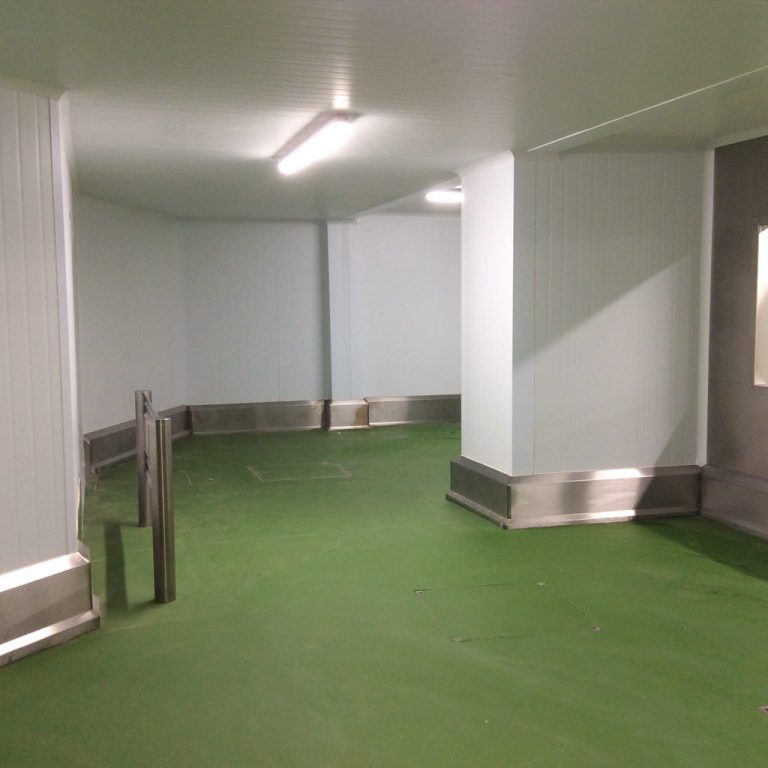
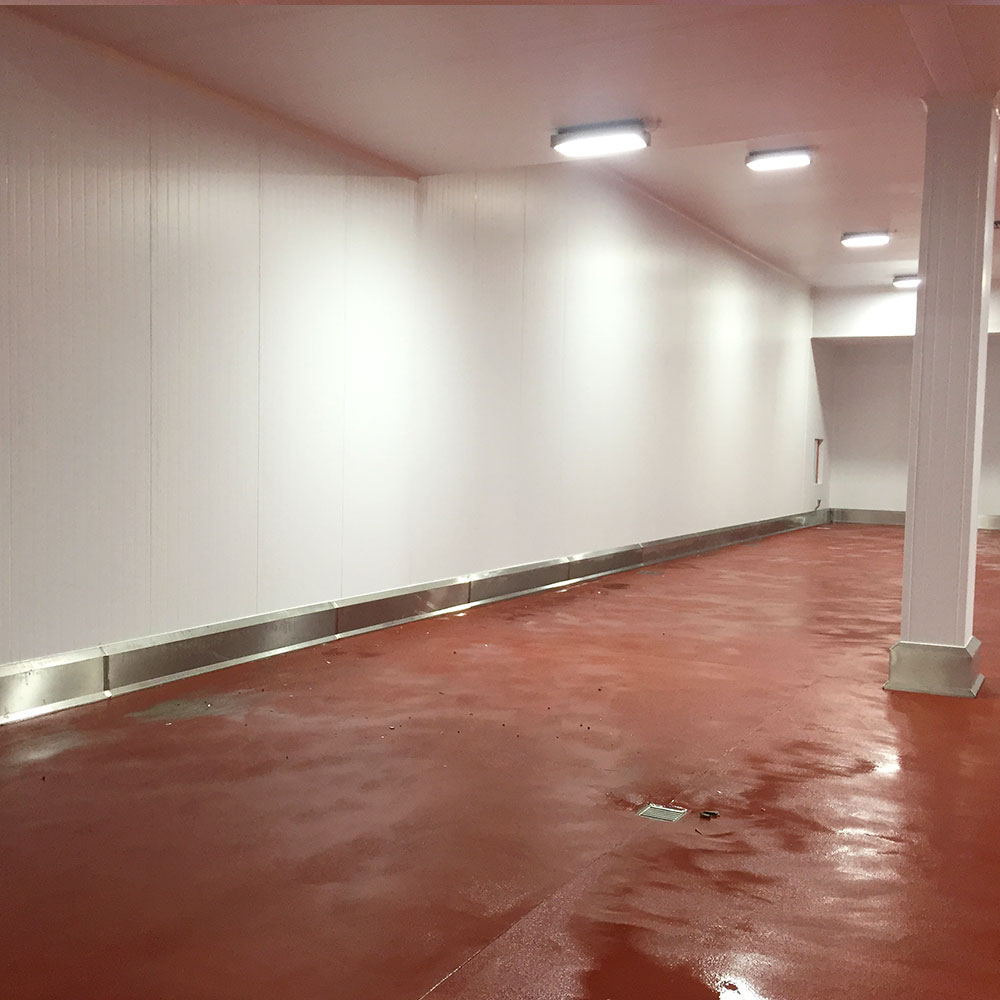
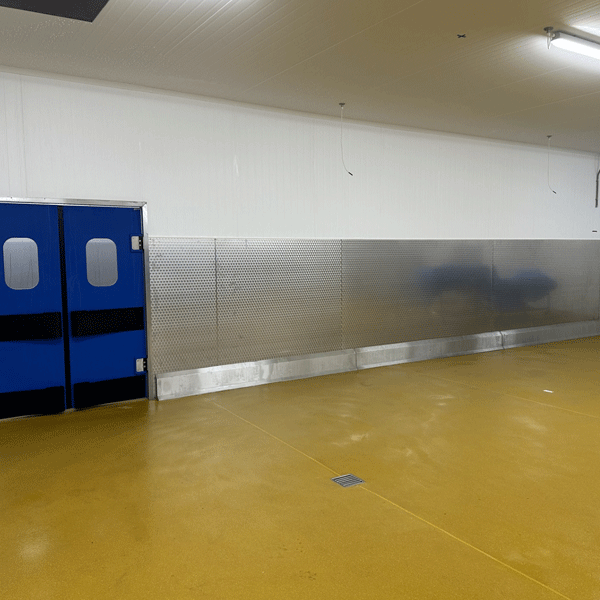
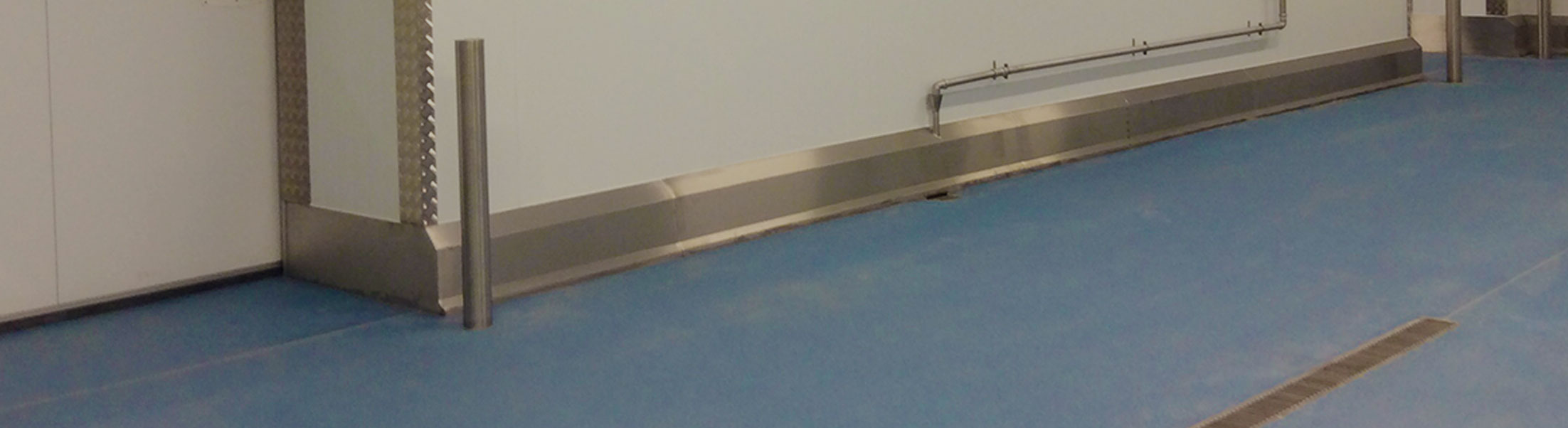
Food and drink manufacturers are required to adhere to stringent regulations and safety standards to ensure that their products meet the highest food safety criteria. The Food Standards Act 1999 and the General Food Law are among the critical guidelines businesses within this sector must comply with. Given the public health implications, ensuring safety in food and drink production is a top priority for manufacturers. With various flooring options available, resin flooring is increasingly becoming the preferred choice for food factories. Here’s why.
The Benefits of Resin Flooring in Food and Drink Production
Manufacturers in the food and drink sector must maintain the highest hygiene standards, regardless of the type of product they produce. This includes ensuring that all interior surfaces, including floors, are resistant to dirt, dust, bacteria, and other harmful microorganisms that can pose contamination risks.
A resin floor provides a seamless surface, making it virtually impossible for dirt and bacteria to accumulate. This characteristic is vital in preventing food contamination. In addition, resin flooring is non-porous, meaning liquids cannot penetrate the surface. This helps prevent the growth of bacteria and other harmful microorganisms. As a result, cleaning becomes easier, ensuring that spills, particles, and debris are swiftly removed, keeping the environment hygienic and reducing the risk of product contamination.
Improving Safety in Food and Drink Factories with Resin Flooring
The safety of both workers and consumers is paramount in food and drink manufacturing. Food and drink factories must ensure that their products are free from contamination, and resin plays a key role in achieving this.
Thanks to its non-porous and seamless properties, resin flooring helps to restrict the growth of harmful bacteria and pathogens. This ensures that food products remain uncontaminated and safe for consumers. Additionally, the surface is highly resistant to moisture, making it easier to clean and reducing the risk of contamination.
Food and drink facilities often use strong chemicals to maintain a sterile environment. Unfortunately, some of these chemicals can damage traditional flooring over time. However, epoxy coatings applied to resin floor finishes can prevent this damage. Epoxy resin flooring is resistant to strong chemicals, acids, and alkalis, which are commonly used in food production facilities. This protective layer ensures that floors maintain their integrity, reducing maintenance costs and allowing operations to continue smoothly.
Why Resin Flooring Is the Ideal Choice for Food Factories
In summary, resin flooring offers the following benefits for food and drink production:
-
Seamless, non-porous surface prevents bacteria build-up and contamination.
-
Chemical resistance protects floors from damage caused by cleaning agents and acids.
-
Moisture resistance makes spills and debris easy to clean, enhancing hygiene.
-
Durability ensures long-lasting performance, reducing the need for frequent repairs or replacements.
If you’re considering installing or upgrading the flooring in your food production facility, now is the perfect time to opt for a resin floor solution. Not only will it help you meet food safety standards, but it will also improve operational efficiency and reduce maintenance costs.
Contact Us for Your Food Factory Flooring Solution
At FSC, we specialise in providing high-quality food factory flooring solutions. Our team has extensive experience in designing and installing flooring systems that meet the stringent requirements of food manufacturing facilities.
Contact us today for a no-obligation consultation and learn how resin flooring can optimise your production environment and keep your products safe.