


KEY DIFFERENCES BETWEEN COMMERCIAL AND INDUSTRIAL CONSTRUCTION
To those outside the construction industry, commercial and industrial construction sites can look very similar. However, for professionals within the sector, the differences are clear, and each type of project brings its own challenges, requirements, and priorities.
Construction is far from a one-size-fits-all industry. While commercial and industrial projects share similarities, they differ significantly in purpose, design, planning, and delivery. Understanding these distinctions is essential when planning a new build or refurbishment.
What Is Commercial Construction?
Commercial construction refers to buildings designed to generate revenue through services or public use. These projects focus on accessibility, user experience, and visual appeal. Common examples include:
-
Hospitality venues such as bars, pubs, clubs, and restaurants
-
Retail spaces, including shopping centres and supermarkets
-
Sports and entertainment venues such as arenas
What Is Industrial Construction?
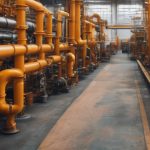
Industrial construction focuses on facilities designed for the production, processing, or distribution of goods. These environments prioritise functionality, safety, and operational efficiency. Examples include:
-
Power generation facilities, including fossil fuel and renewable energy plants
-
Refineries and processing plants
-
Manufacturing and production facilities
While both construction types require specialist expertise, their objectives and execution differ in several important ways.

Design Phase
Commercial and industrial construction projects diverge from the very beginning.
Commercial buildings are typically service-oriented, meaning designs must accommodate high footfall, customer comfort, and aesthetic appeal. Interior and exterior appearance play a significant role, alongside layouts that support accessibility and user flow.
Industrial construction, by contrast, is driven by operational requirements. Design decisions focus on production efficiency, logistics, safety compliance, and the integration of specialist equipment. Functionality takes precedence over appearance, with layouts built around manufacturing and distribution processes.

Planning Considerations
Effective planning is critical for both commercial and industrial projects, but the priorities differ.
Key planning considerations for all sites include:
-
Plot size and boundaries
-
Surrounding traffic and access routes
-
Environmental conditions
Commercial developments place strong emphasis on public access, parking availability, and nearby amenities. Ease of movement for customers, staff, and visitors is essential.
Industrial facilities, however, must prioritise logistics. Proximity to major roads, and in some cases rail links or airports, is often crucial to support shipping, deliveries, and supply chains.

Supporting Site Infrastructure
Both commercial and industrial projects require robust supporting infrastructure, including electrical systems, plumbing, and HVAC (heating, ventilation, and air conditioning).
In commercial environments, this infrastructure supports offices, retail units, and shared public spaces. Industrial infrastructure must be far more heavy-duty, capable of supporting specialist machinery, high energy demands, and strict industry regulations.

Project Management Differences
Project management requirements also vary between commercial and industrial construction.
Commercial projects typically involve general contractors working closely with subcontractors and suppliers to meet the needs of tenants and end users. Coordination focuses on timelines, budgets, and tenant specifications.
Industrial construction projects often involve more complex materials, custom fabrication, specialist installations, and on-site equipment assembly. These factors make industrial projects more technically demanding and require a higher level of coordination and expertise.
Before Handover
Project completion and handover processes also differ.
Commercial buildings must meet local authority regulations before occupation. Industrial facilities must satisfy not only local council requirements but also national regulations and industry-specific health and safety standards.
Compliance, testing, and certification are particularly critical in industrial environments to ensure safe and efficient operation.
Planning a Commercial or Industrial Construction Project?
Whether you’re planning a commercial or industrial construction project, thorough preparation and expert guidance are essential. Understanding potential challenges early can help prevent delays, cost overruns, and compliance issues.
FSC has extensive experience delivering high-quality commercial and industrial construction projects across a wide range of sectors. Our team understands the complexities involved and works closely with clients to deliver solutions that meet operational, regulatory, and business requirements.
Contact FSC today to discuss your next construction project.